Grow Nutrition, Grow Futures: Be the Reason a Child Has a Healthier Start
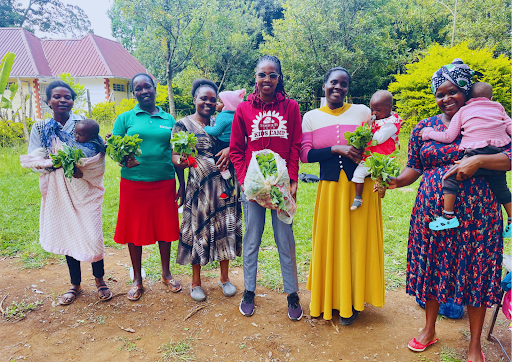
Here is something we don’t talk about enough: a child’s health starts way before they are born. It begins during pregnancy, with what a mother eats.
But it doesn’t stop at birth. The transition to weaning — when solid foods are introduced — is also a critical moment. If a child’s diet lacks variety and essential nutrients during this stage, their health can be compromised, leading to stunted growth, weaker immunity, and long-term developmental challenges.
This is exactly why supporting households with climate-smart kitchen gardens matters — giving families access to diverse, nutritious foods from pregnancy through childhood, so every child has the chance to grow healthy and strong.
Why These Climate-Smart Kitchen Gardens Matter
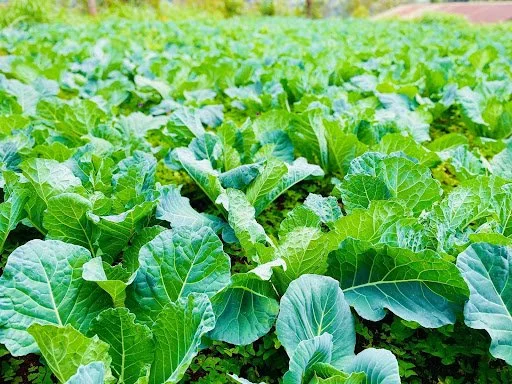
Climate-smart kitchen gardens provide:
More healthy meals for pregnant mothers
Better nutrition for growing children
Healthier eating for families while spending less on food
Strong communities, even when the climate is unpredictable
These gardens do more than provide food — they help families and schools adapt to unpredictable weather and rising food costs, while teaching the value of nutrition and self-sufficiency.
Honestly? It’s simple, sustainable, and life-changing. This is the kind of impact we aim to achieve through our climate-smart kitchen gardens initiative, supporting households and schools while strengthening communities against the challenges of climate and food insecurity.
Real Change in Action
When Elosy Kinya looks back, she realizes that love alone was not enough to keep her son healthy. Like many mothers, she fed her baby what she could afford and access every day—mostly porridge. But when her son Liam was assessed at six months old, the results were worrying. He had been diagnosed as underweight due to inadequate nutrients, weighing 7.5 kg and measuring 71 cm.
Elosy’s turning point came during a visit to a community nutrition outreach clinic organized by HopeCore. There, she learned about the importance of diet diversity, appropriate infant and young child feeding practices, and how locally available foods can make a big difference in a child’s growth and development. It was also a moment of reflection. Elosy admitted that Liam’s daily meals lacked variety and that his diet was heavily dependent on carbohydrates, with very little vegetables or protein.
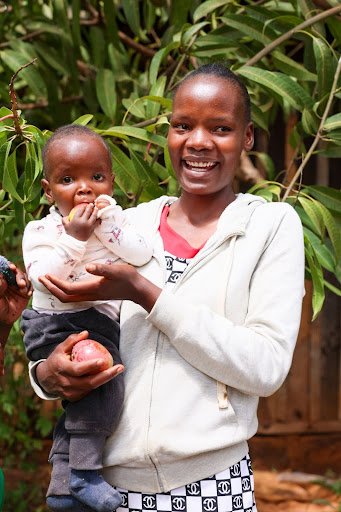
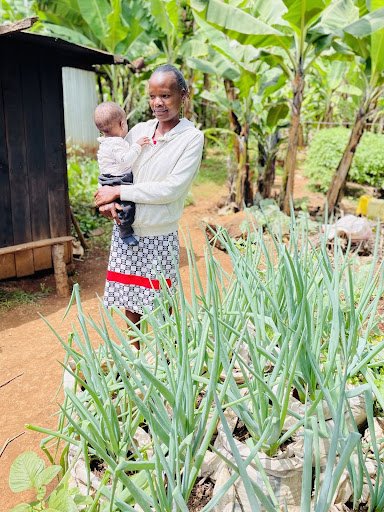
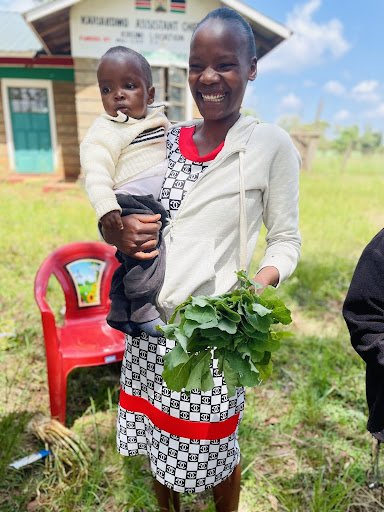
With guidance from HopeCore, Elosy started a kitchen garden at home, growing vegetables like tomatoes, spinach, and pumpkin, alongside fruits such as bananas, mangoes, and avocados. The impact was remarkable. By December of this year, Liam’s weight had increased to 9.1 kg and his length to 73 cm, achieving a normal nutritional status. Elosy also experienced better health—her previously low blood pressure stabilized—and her garden helped reduce household food expenses.
Her story shows how nutrition education, combined with practical solutions like kitchen gardening, can empower families to improve health, save costs, and build resilience—an initiative HopeCore continues to champion.
“This garden has transformed our lives. I can feed my family healthy meals every day, save money, and know my child is growing happy, healthy, and strong each day,” Elosy shared.
Our Goal: We aim to establish climate-smart gardens in 200 households and 200 schools — turning these spaces into hubs of real change, where moms, dads, teachers, and kids can say with pride, "We grew this. We can feed ourselves.’’
That’s powerful.
Let’s Make It Happen Together
Join us in growing nutrition, confidence, and healthier futures for children at home and in schools. Donate today and help bring this life-changing initiative to life.
M-Pesa: Pay Bill 273722, Account: LISHE
Donate Online: https://bit.ly/DonateToHopeCore
“Be the hope a child needs. Be the health a child deserves. Let’s combat malnutrition — together!”