
Turning Trash into Treasure: Mukothima’s Women-Lead Briquettes of Hope
For many Kenyan households, especially in rural areas, cooking still depends on firewood and charcoal. According to the Kenya National Bureau of Statistics, over 70% of rural households depend on biomass energy, contributing significantly to deforestation, indoor air pollution, and climate change. The World Health Organization also links household air pollution from solid fuels to thousands of premature deaths annually, especially among women and children.
“Because of poverty, many people cut trees to make charcoal just to survive. Many don’t have other ways to earn a living”
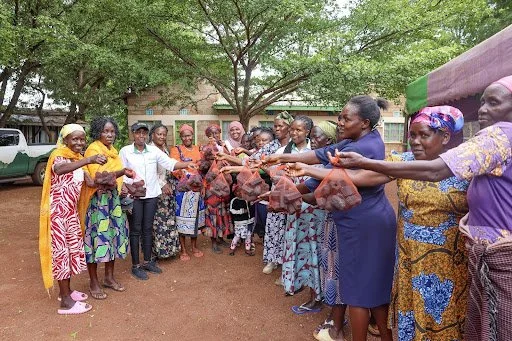
Friends of Mother Nature members with HopeCore’s Managing Director and Micro Enterprise Manager
But for Friends of Mother Nature, the script is being rewritten. With financial support from HopeCore, Friends of Mother Nature self-help group is producing smokeless briquettes, a climate-smart solution that turns agricultural waste into clean, sustainable fuel, a safer and more sustainable alternative to traditional fuel.
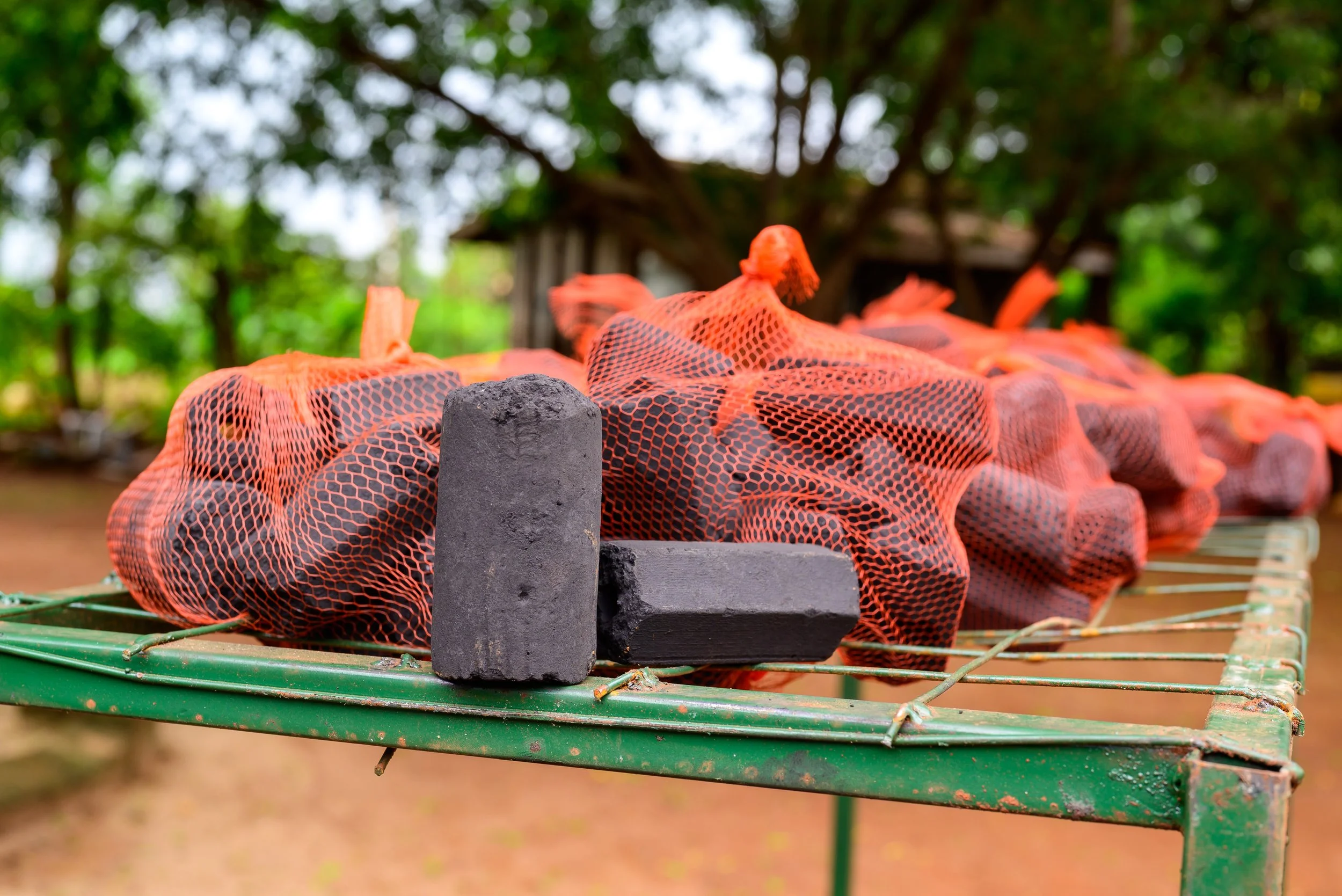
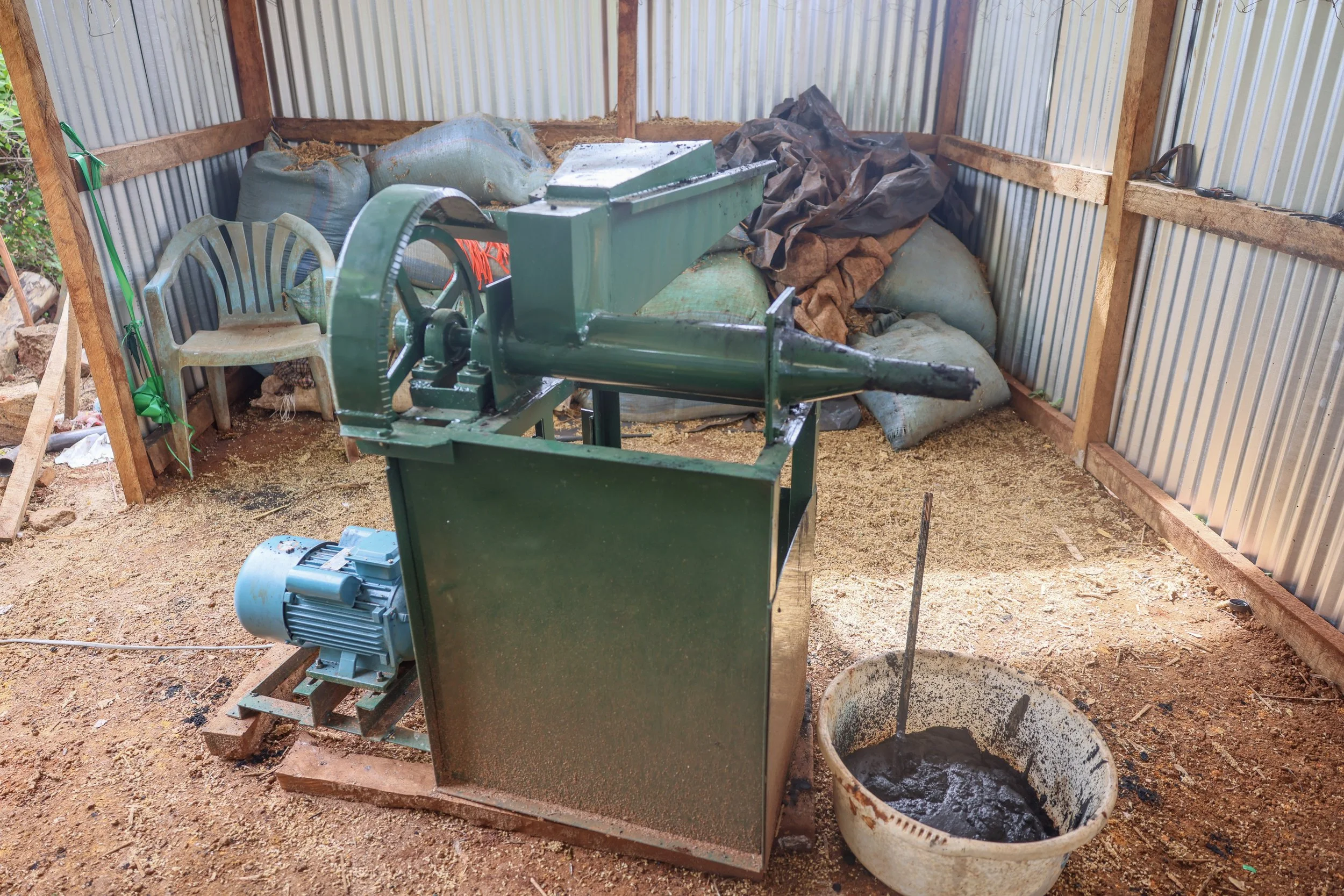
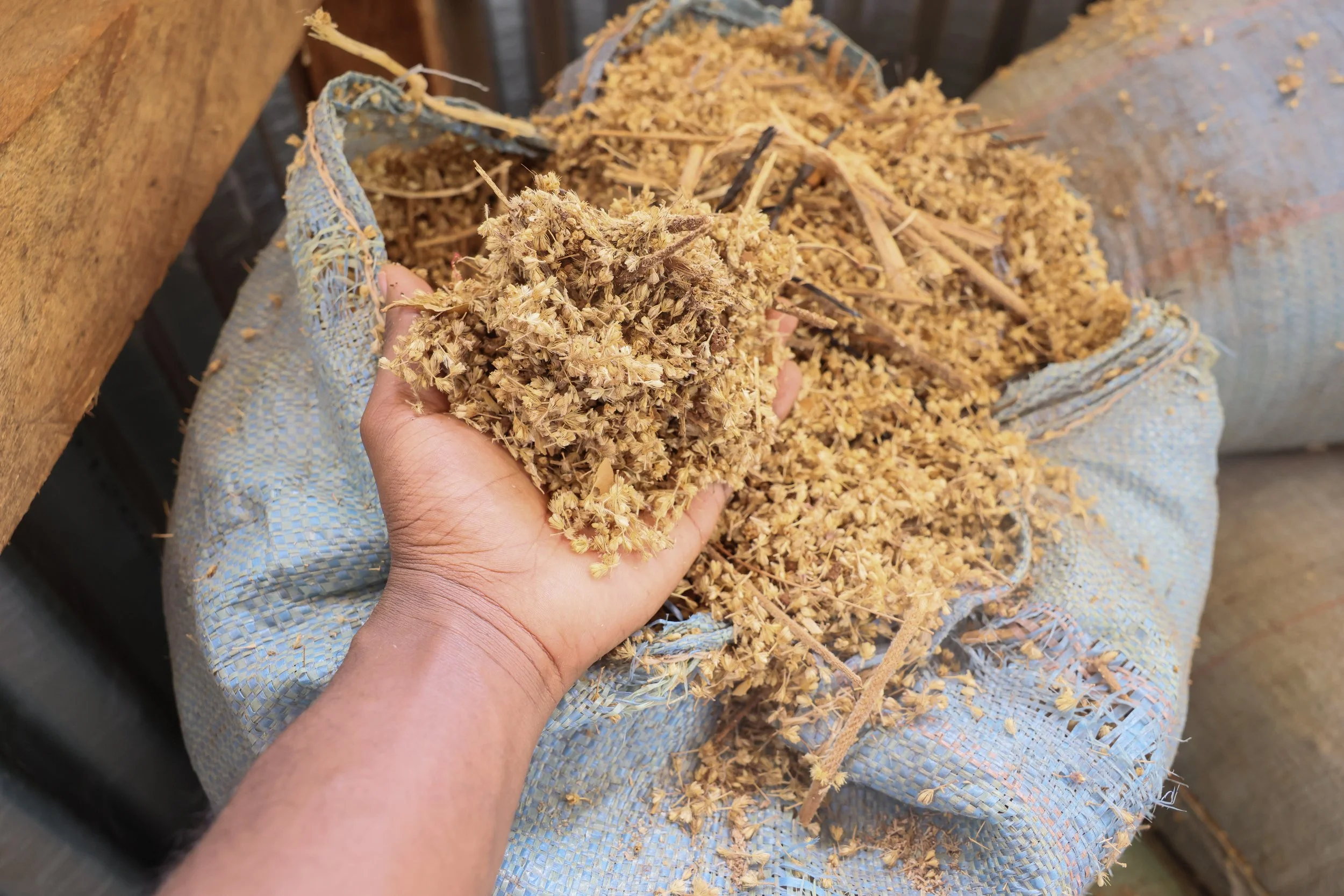
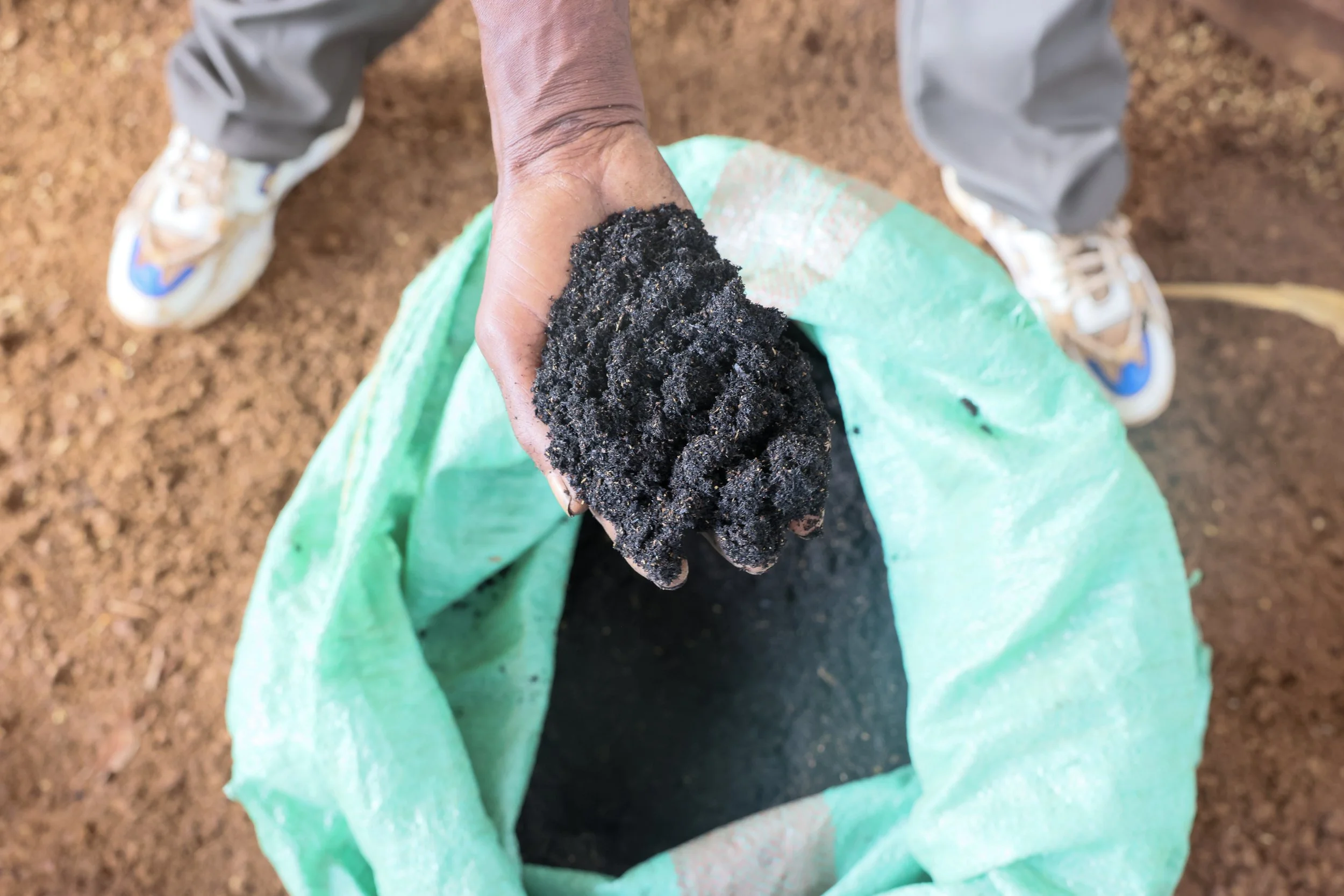
A briquette is a compact block of fuel made from carbonized agricultural waste like rice husks, maize cobs, sawdust, or sugarcane bagasse. The waste is dried in the hot sun before being carefully carbonized into fine powder. With hands darkened by the work, workers mix this powder with a binding agent and feed it into a briquetting machine to press it into compact, durable fuel. Unlike traditional charcoal, these briquettes burn longer and hotter than traditional charcoal, produce up to 70% less smoke, and require zero trees to be cut.
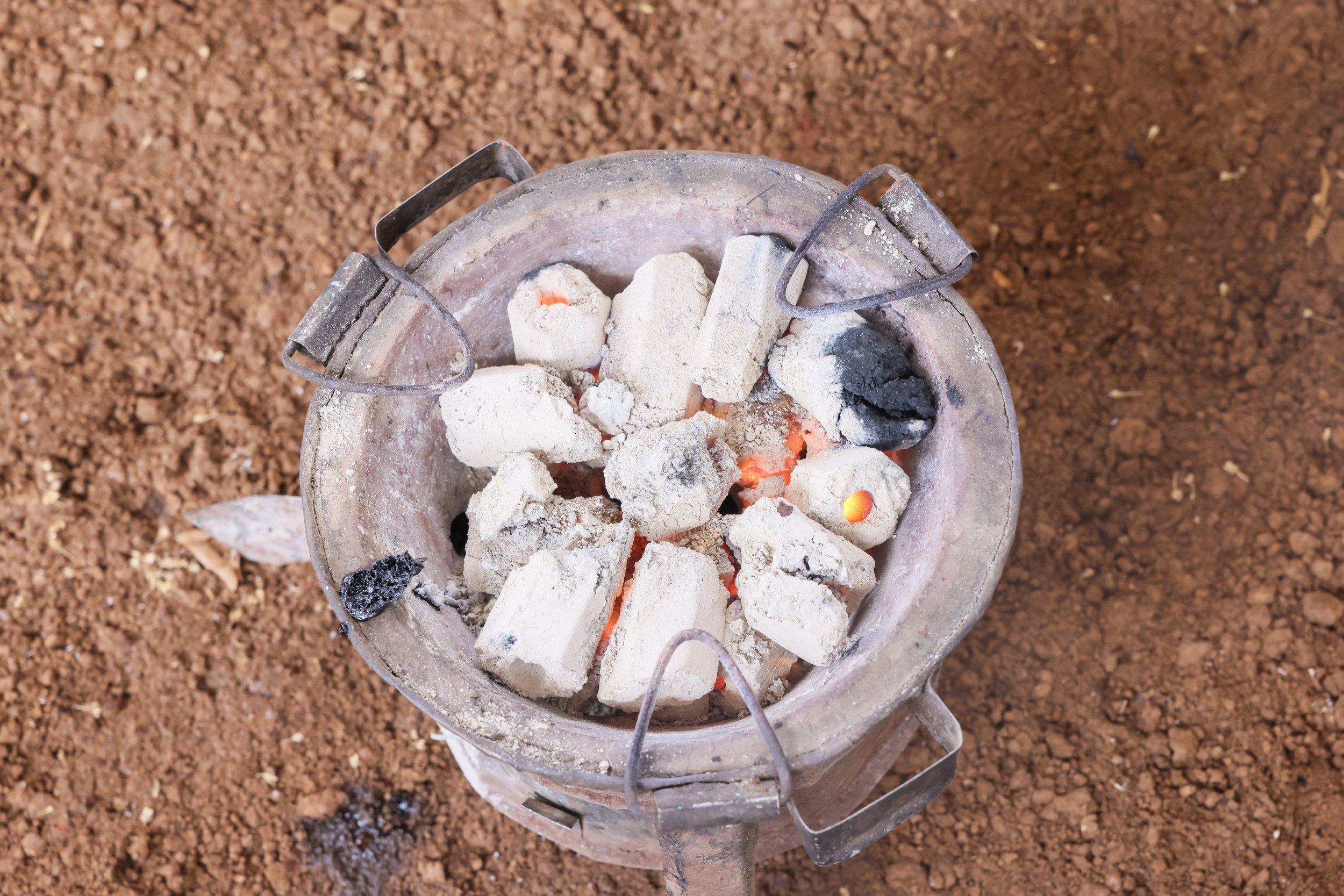
Briquettes burn longer and hotter than traditional charcoal
Today, the project is no longer an idea; it is a working enterprise. With a briquetting machine capable of producing three sacks per hour, a carbonization drum, and storage facilities already in place, production is actively underway. The women are not only producing fuel; they are building skills, strengthening teamwork, and laying the foundation for a sustainable business.
Every briquette produced is a small but powerful step toward a cleaner environment, healthier families, and a more sustainable future. It is a reminder that climate action does not always begin with large-scale interventions. It often starts with communities willing to think outside the box for new solutions.