School Health
School-age children remain vulnerable to preventable diseases due to gaps in immunization, hygiene practices, and access to health education. The rate of diarrhoeal diseases in Kenya is high, and cervical cancer is a leading cause of cancer-related deaths among women in Kenya.
In a unique partnership with the Ministry of Education starting as early as 2011, we have provided health education, free clinical services, insecticide-treated malaria prevention bed nets, clean treated drinking water systems, and handwashing soap to a complete school district serving 130,000 students in 680 schools. In addition, we have trained 697 Teacher Health Champions to supervise students in 281 active health clubs.
Lishe Mtaani: Nutrition in the Community
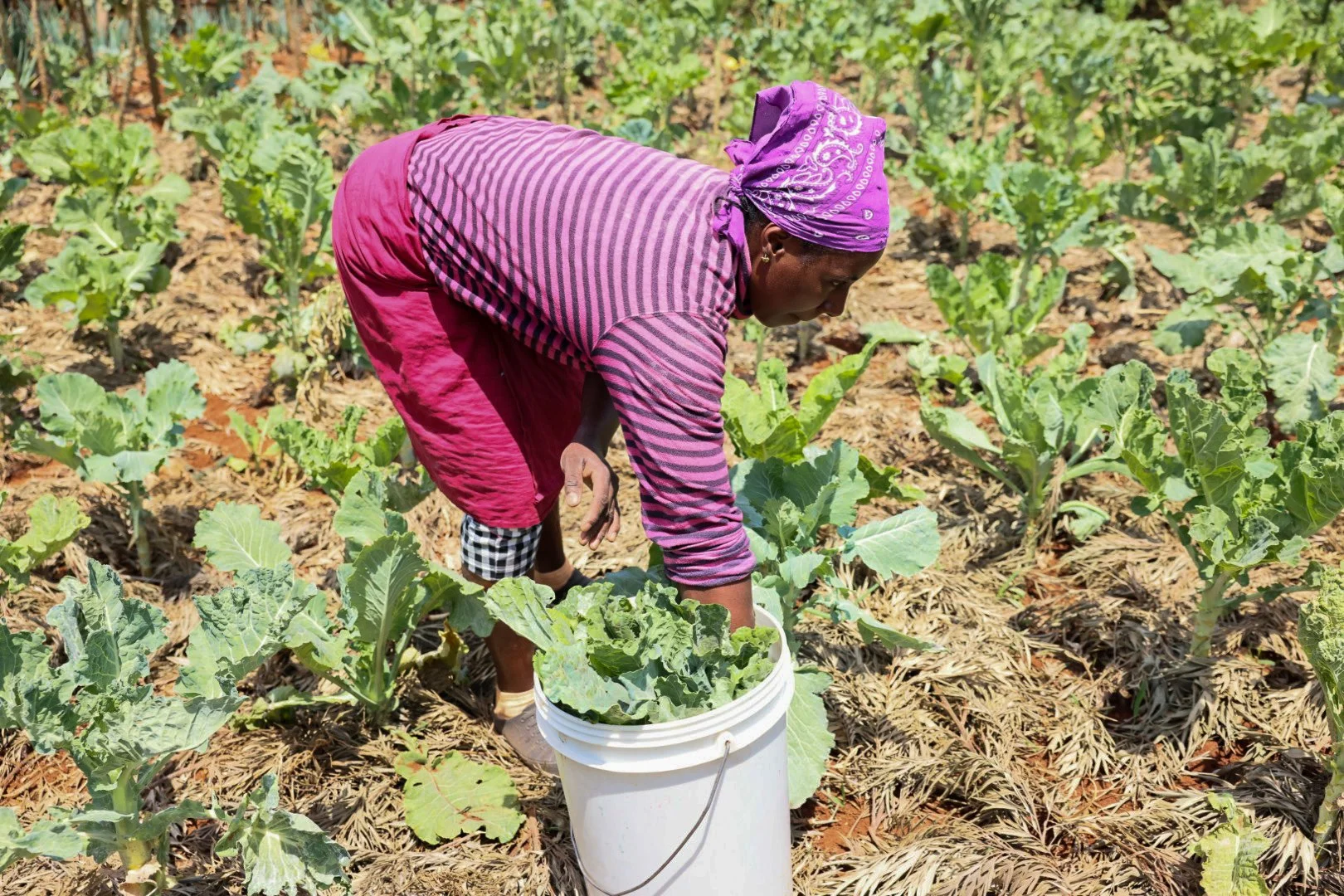
1,631+ children and mothers assessed for malnutrition
With 56 children and 12 mothers fully discharged from nutrition care and 343 malnourished children currently under management. More than 400 climate-smart kitchen gardens have been established to improve access to diverse, nutritious foods. More than 400 climate-smart kitchen gardens have been established to improve access to diverse, nutritious foods, while 16 Lishe Heroes—CHPs trained in nutrition—serve 11 community units, providing sustained nutrition support at the community level.
Rural Kenyan households face child malnutrition compounded by climate-driven food insecurity and nutrient-poor diets. Lishe Mtaani addresses both immediate and underlying causes by training CHPs as “Lishe Heroes” to provide screening, therapeutic feeding, nutrition education, and climate-smart kitchen gardens. Recovered mothers become peer mentors, helping sustain healthier practices within their communities.
HopeCore’s community-based nutrition program takes a community-led approach to identifying, treating, and preventing malnutrition while strengthening household food security.
Mobilization and Screening: Community Health Promoters (CHPs) engage households and screen children and pregnant mothers using MUAC and clinical assessment, with data captured in CommCare.
Treatment and Education: Children with acute malnutrition receive RUTF/RUSF and caregivers receive counselling on breastfeeding, complementary feeding, hygiene, and child care.
Climate-Smart Gardens: Families receive seedlings and training to establish kitchen gardens, increasing access to diverse, nutritious foods and strengthening food security.
Follow-Up and Mentorship: CHPs conduct home visits to monitor recovery and provide continued support. Recovered children and mothers graduate from intensive care and become peer mentors, helping other families adopt healthier nutrition practices.
Together, these interventions address both malnutrition and its underlying causes, building healthier, more resilient households and communities.
Mobile Clinics and Treatment Services

85,922 Students have received free health services
Lack of access to quality treatment services is a significant problem among the students in our partner schools. Most children have no health insurance, and when they get sick, they delay treatment with the hope that it will resolve on its own; others resort to self-medication. The result is drug resistance, complications from otherwise simple infections that could have easily been treated on time, and missing class time. Our treatment services in schools aim to bridge this gap through the screening of common illnesses and providing diagnosis and treatment. Services provided by our clinical teams include free treatment services and medication, HPV immuniczation to protect girls from cervical cancer, routine deworming, follow-up visits to those treated to ensure adherence to the treatment plan, and referral of complex cases.
Health Education
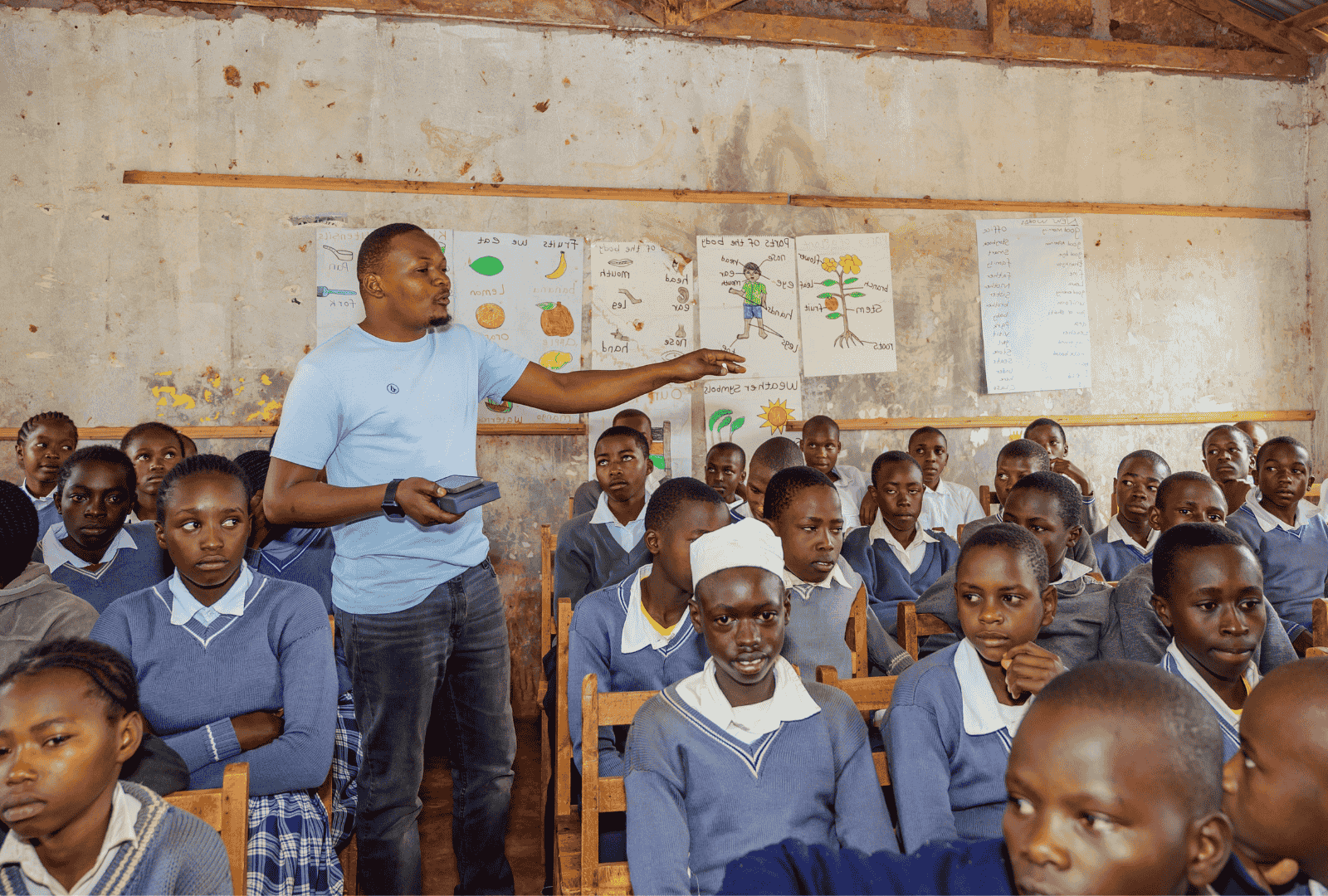
751,390 Students have been educated
Education of students on health and hygiene issues enables them to develop healthy behaviors. Empowered children not only grow into healthy adults but also are able to influence those around them, thereby enhancing the health status of their communities.
Through direct education by HopeCore staff, mobilization and creation of health clubs, and training Teacher Health Champions, we are empowering students and teachers in over 680 schools to be health change agents in their communities. HopeCore has an age-appropriate health curriculum for lower primary, upper primary, and secondary school students. We have educated over 697 teachers (1-2 teachers from each of our partner schools) and certified them as Teacher Health Champions in the schools. 269 students have been trained and certified as school-based youth peer providers, and the health clubs provide a platform for sustainable health education in schools.
Malaria Prevention
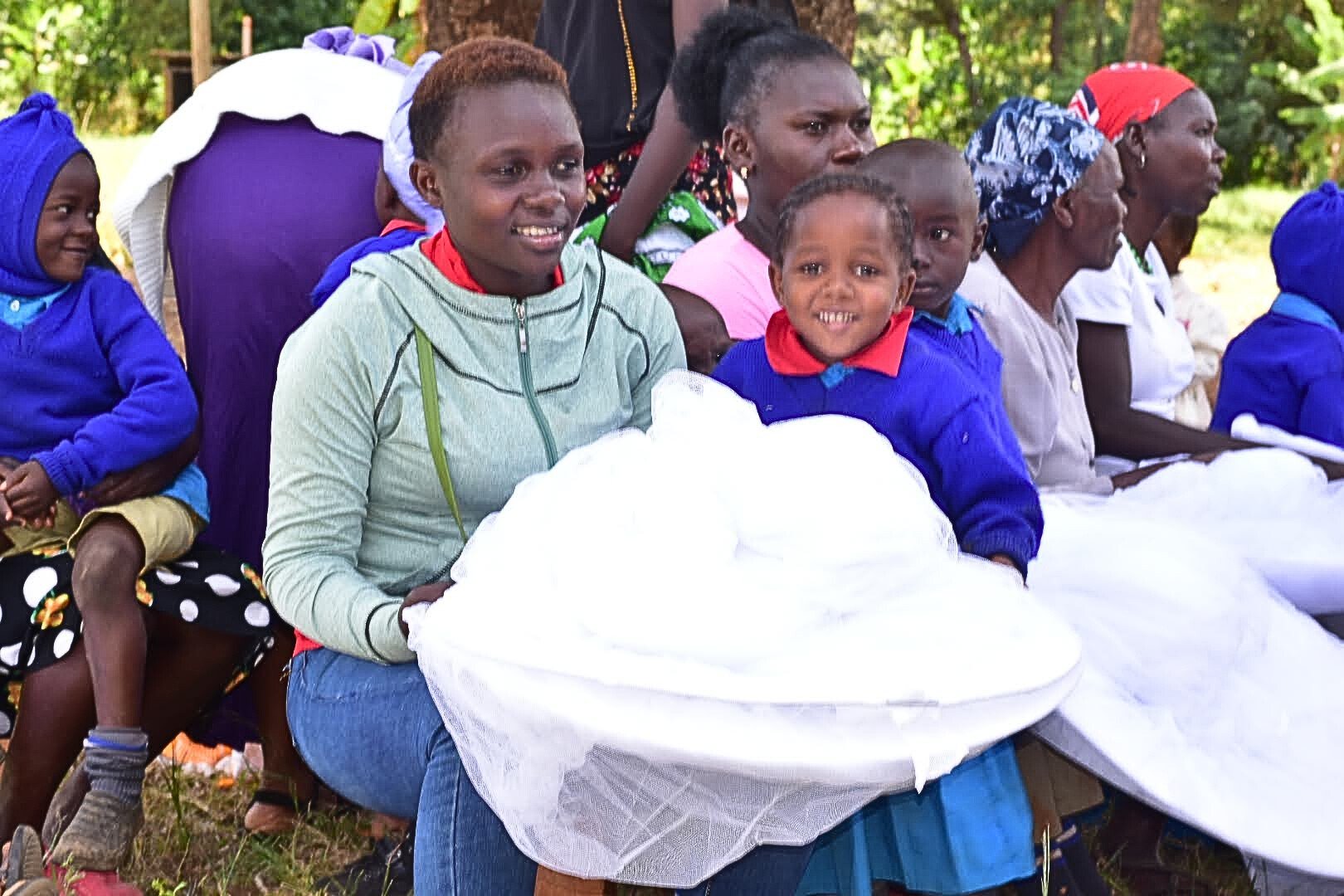
52,792 Nets distributed
HopeCore distributes free mosquito nets to the entering class of every partner school. HopeCore has distributed 52,792 nets to the community. Every distribution is accompanied by education on malaria prevention. Additionally, nets are distributed through the clinic when mothers are seen for their antenatal visits. These nets help prevent malaria as well as protect children from sandfly-transmitted visceral leishmaniasis.
This life-saving program is made possible with grant support from: