Community Health Promoters (CHPs)
Non-communicable diseases such as hypertension are increasing in Kenya (currently at 25%), yet many cases remain undiagnosed due to limited community-level screening. In Tharaka Nithi, diarrhoeal diseases remain prevalent and are strongly linked to poor sanitation and hygiene practices.
CHPs face challenges while conducting household visits due to distance, weather, and terrain. Further challenges to health services include limited household-level health education, which reduces the uptake of preventive and promotive health services.
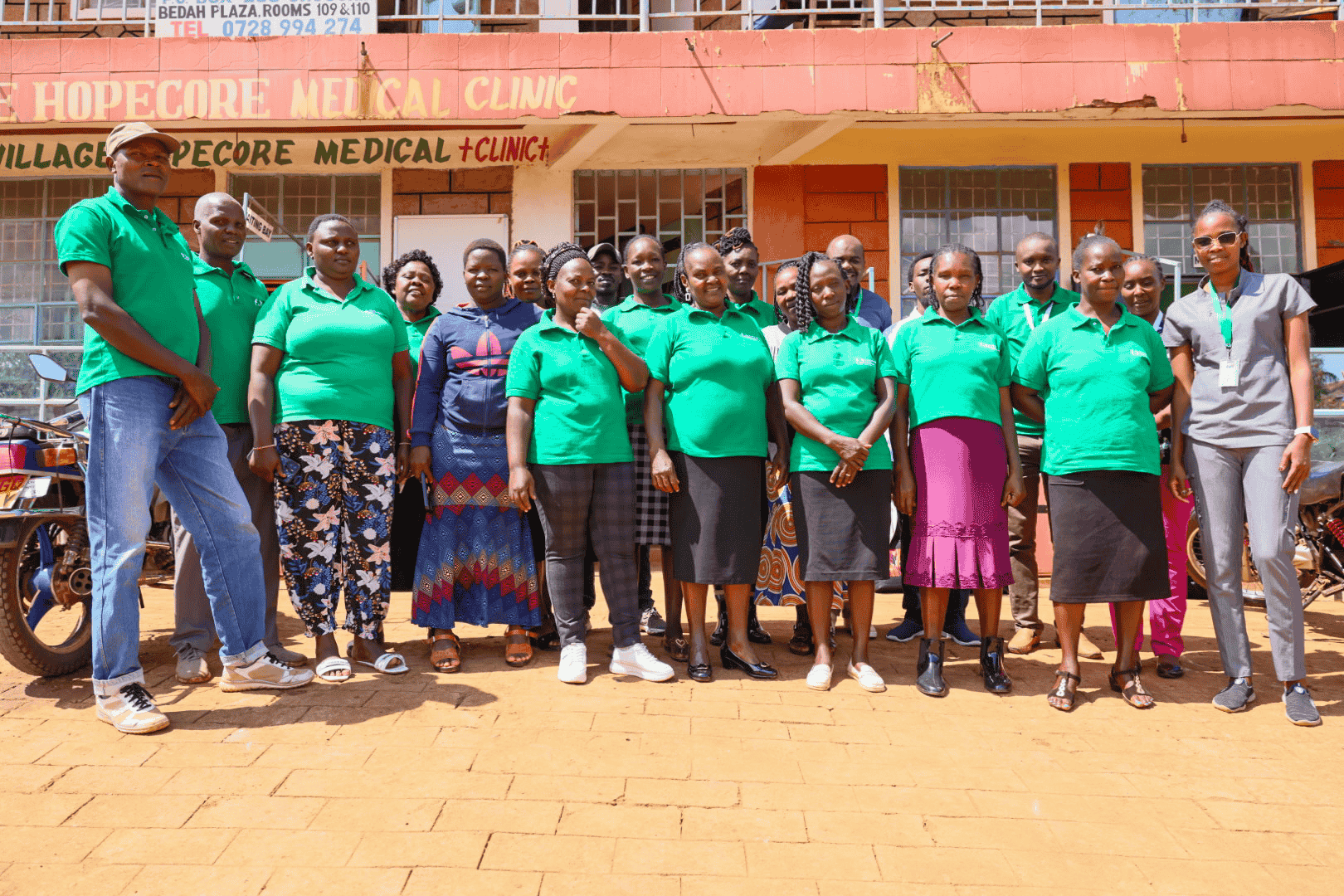
In a historic partnership with the Kenya Ministry of Health, we at HopeCore have the responsibility to train, evaluate, and supervise 1,265 Community Health Promoters. In 2025, HopeCore-empowered CHPs have completed over 1,230,424 educational household visits. Our healthcare services reach over 425,000 people in over 1,744 villages.
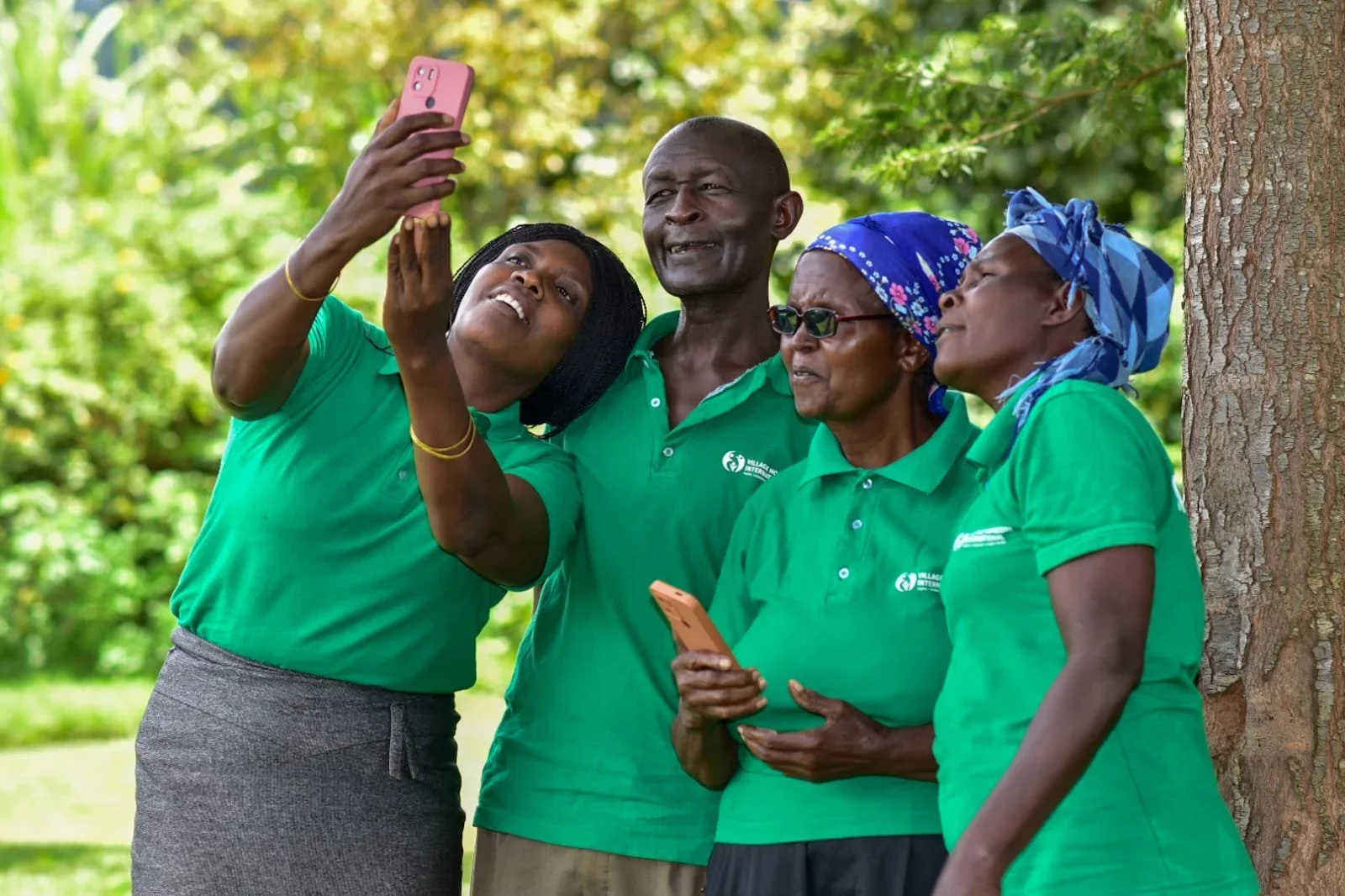
Our Community Health strategy is comprehensive and crucial for providing health education and services to our rural communities. At the heart of this strategy are Community Health Promoters (CHPs), who are community members trained to render specific essential health education and promotion services.

1,265 Community Health Promoters
The Kenya Community Health strategy is crucial in achieving universal health coverage. It is an approach through which households and communities strengthen their role in their own health by increasing their knowledge, skills, and participation. At the heart of this strategy are Community Health Promoters and community members trained to render certain basic health services to the communities they come from.
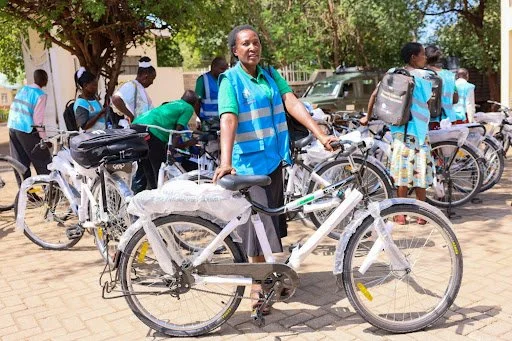
Wheels of Hope Project: CHPs Reaching More Households
In December 2025, we partnered with World Bicycle Relief Kenya and the County Government of Tharaka Nithi to distribute bicycles to 150 Community Health Promoters, addressing the challenge of walking long distances to visit households for timely health services.
Achievements in Community Health:
1,230,424
Household visits conducted by Community Health Promoters
368,550
Clients were screened for hypertension
8,413
Support and mentorship visits conducted by HopeCore
1,265
Community Health Promoters educated on basic health packages
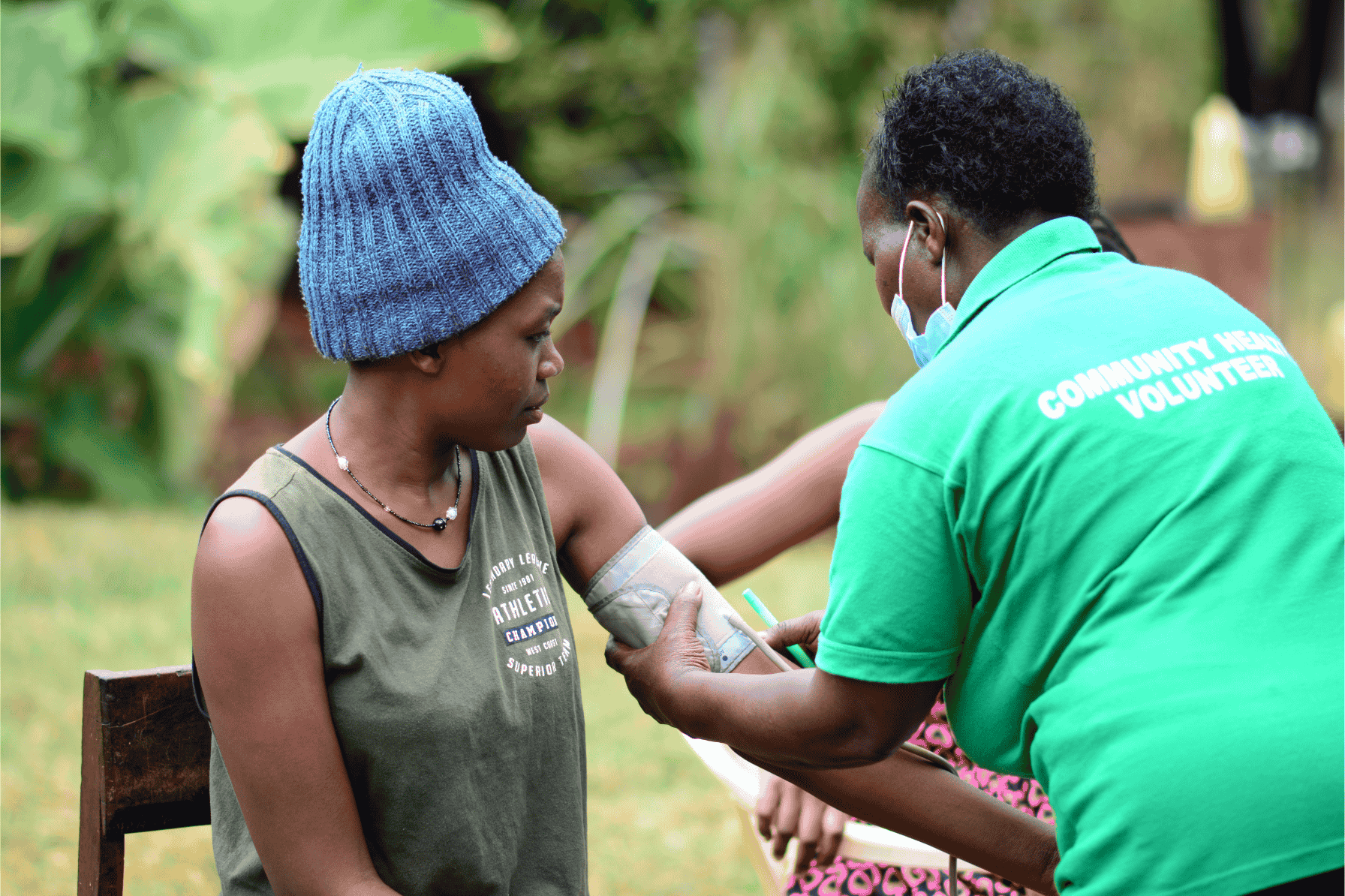
What are Community Health Promoters?
Community Health Promoters (CHPs) are an integral part of the healthcare system in rural Kenya. They play a crucial role in improving the health and well-being of communities by providing basic health services and education. Services include blood pressure screening, adult vision screening, growth monitoring, and visual acuity checks to identify cataracts. CHPs are often the first point of contact for people seeking healthcare in rural areas, and they help to bridge the gap between communities and formal healthcare systems.
-
CHPs educate communities on basic health practices such as handwashing, nutrition, and sanitation.
-
CHPs identify and refer people with health problems to formal healthcare systems.
-
Community Health Promoters facilitate in follow-up of patients discharged from health facilities, and immunization defaulters and ensure community members are sensitized on the importance of hospital follow-up.
-
CHPs play a crucial role in disease prevention efforts, taking part in mass drug administration campaigns, mobilization during vaccination drives, and educating the community on hygiene practices to prevent the spread of diseases.
-
CHPs work to mobilize community resources and encourage people to participate in local health initiatives and campaigns.
-
CHPs monitor health trends within the community, report on health issues, and collect data that the organization can use to tailor its programs and measure their impact.
CHPs monitor health trends within the community, report on health issues, and collect data that the organization can use to tailor its programs and measure its impact.
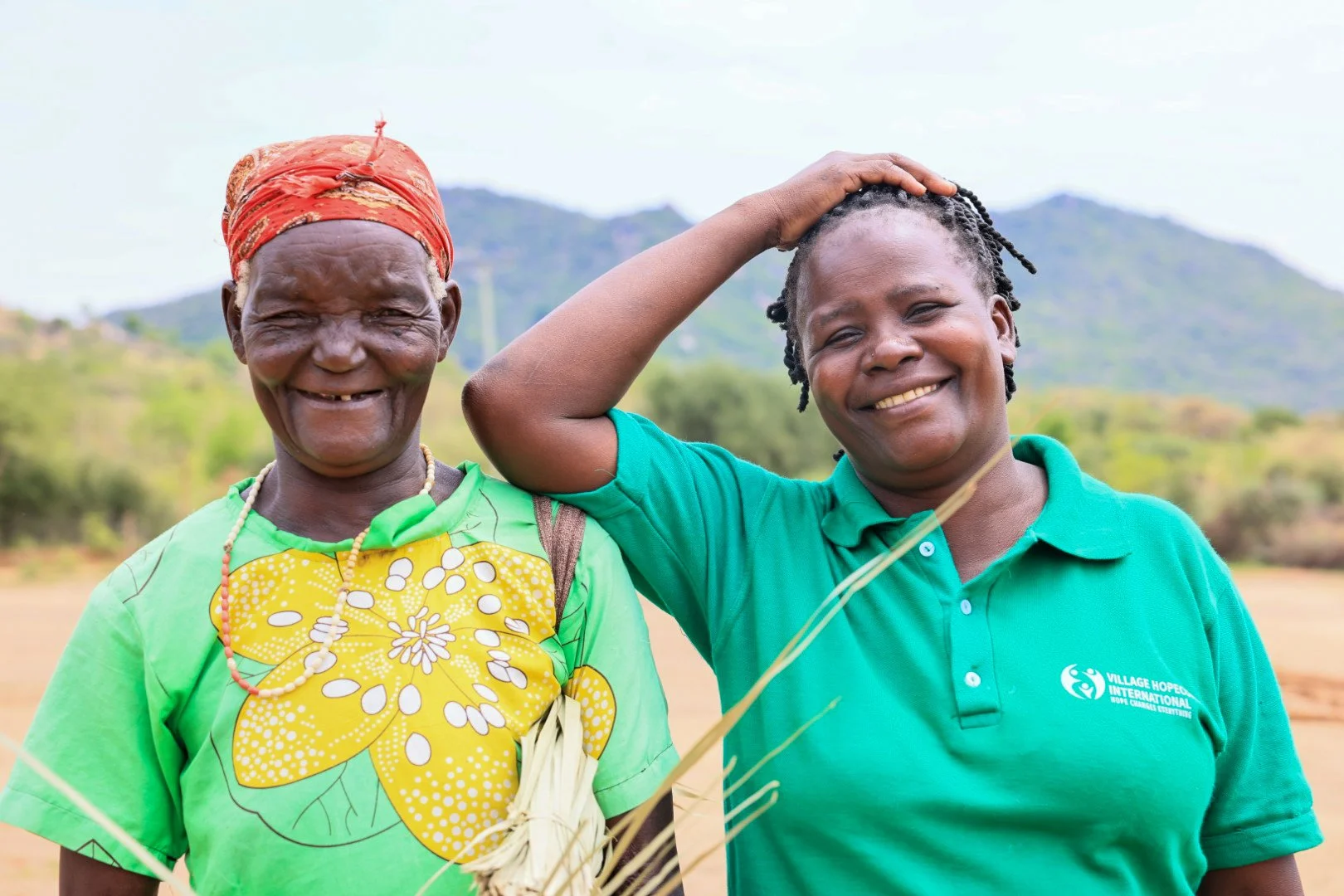
The Role of the CHPs is critical.
The role of CHPs in rural areas of Kenya is particularly important because many people in these areas face barriers to accessing formal healthcare systems. These barriers include distance, geographical barriers, cost, lack of transportation, and cultural beliefs. CHPs are members of the community who understand these barriers and can provide healthcare services that are tailored to the needs of their neighbors.
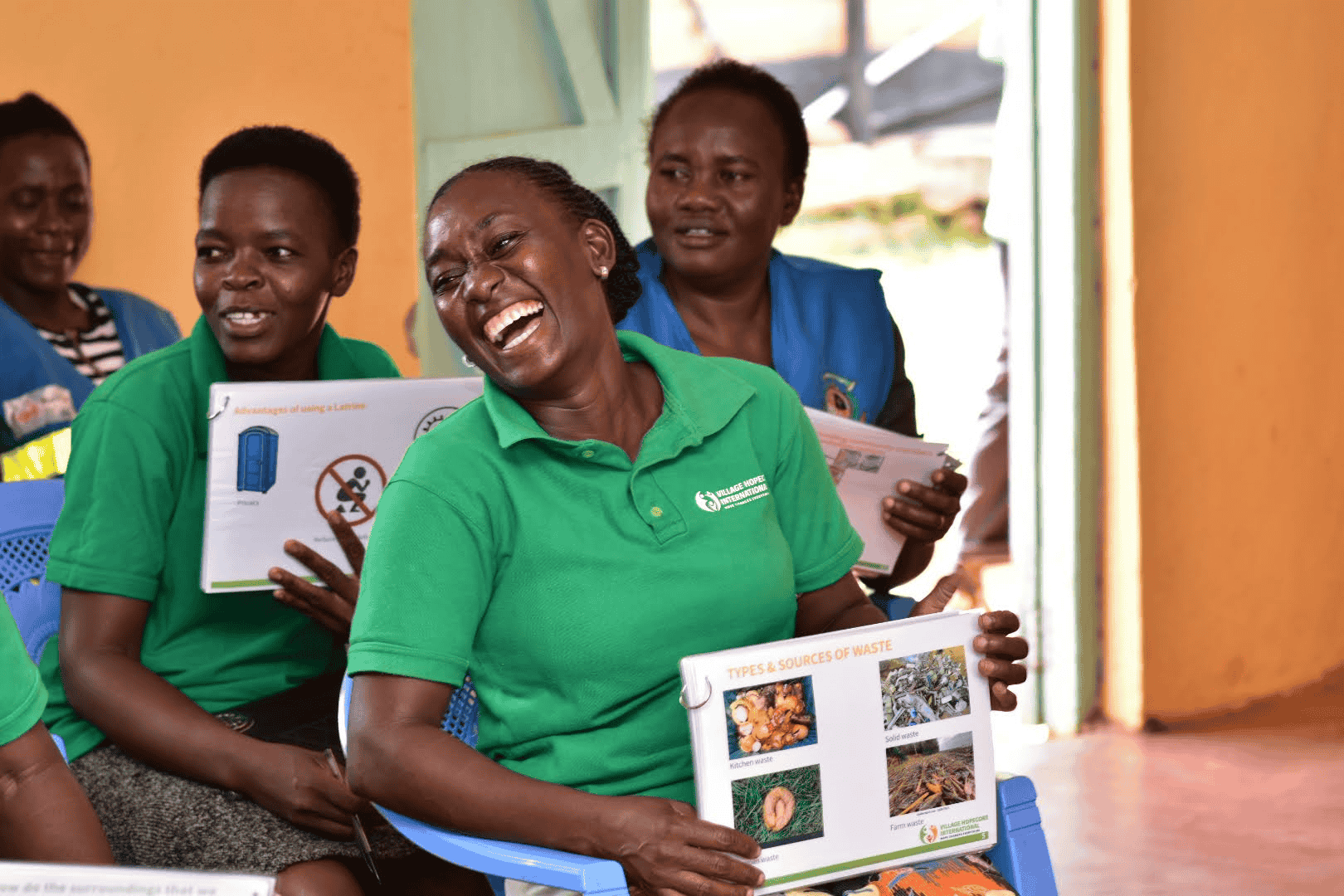
How we are different:
Our extensive training and mentorship program for CHPs is unique. We work regularly with our CHPs to ensure that they are maintaining the skills and resources that they need to serve their communities.
HopeCore CHP Training and Mentorship Program
Community Health Promoters are trained on various health promotion topics every 2 months. The training campaigns have covered common diseases such as pneumonia, diarrhoeal diseases, tuberculosis, HIV, hypertension, diabetes, eye care, first aid, mental health, dental health, WASH (water, hygiene, and sanitation), as well as topics on maternal and child health.
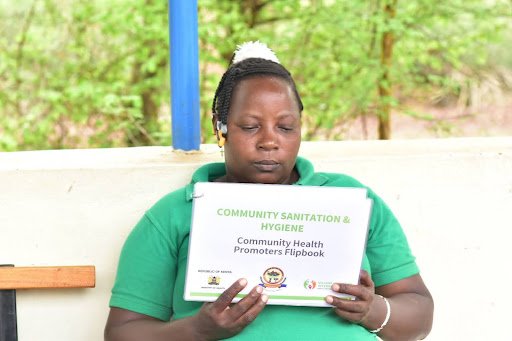
CHPs are provided with an educational flipchart that they can then use to help educate the community members when they go door-to-door.
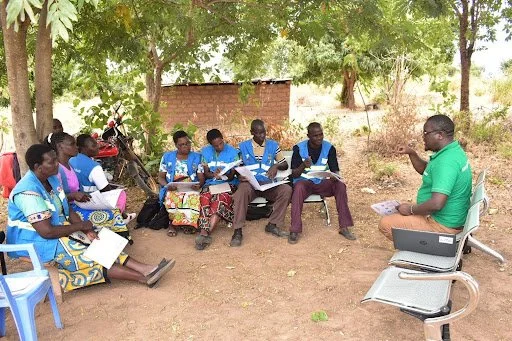
Twice a year, each of our CHPs participates in group education sessions led by CHPs and assessed by the Community Health Officer.
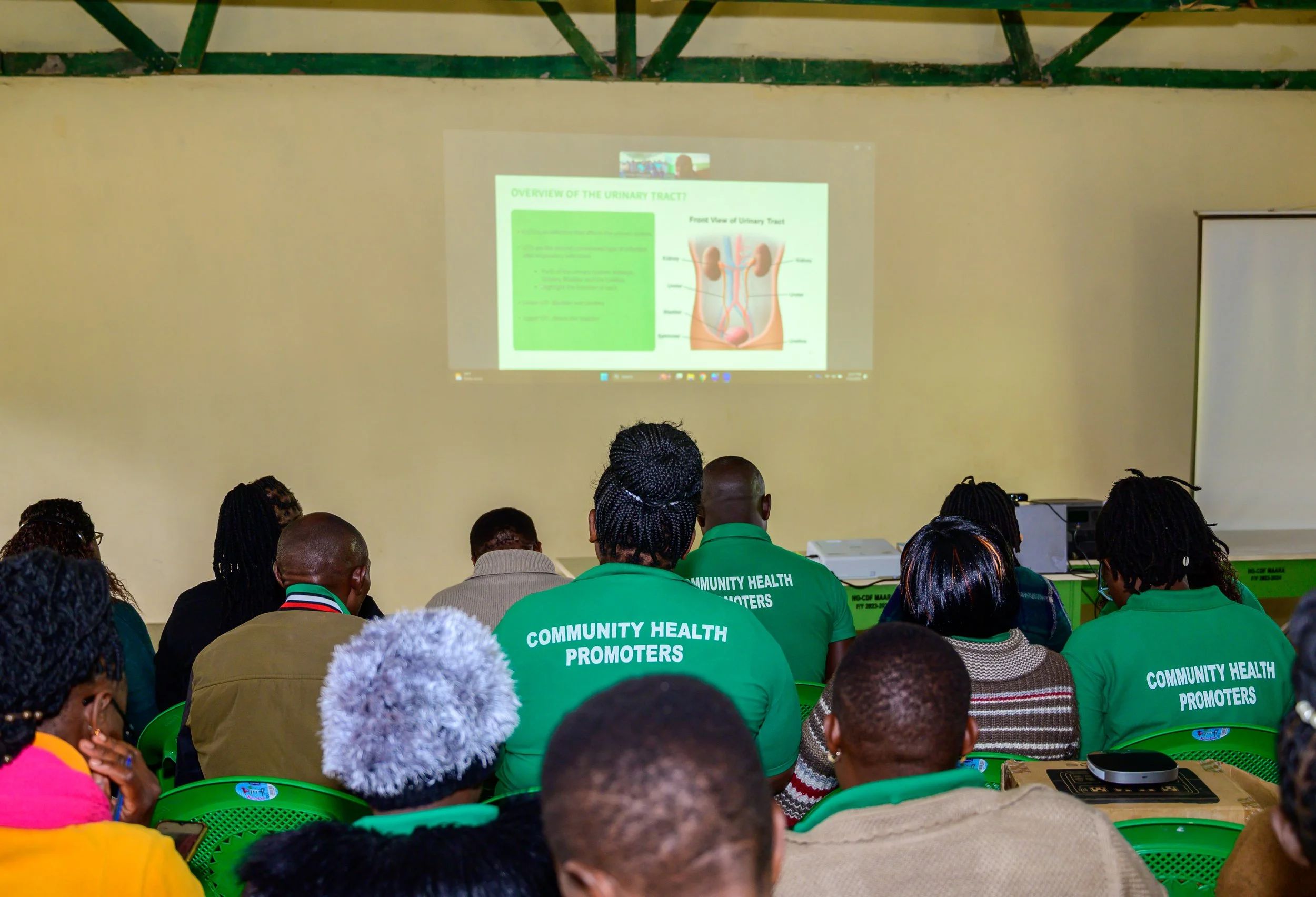
Our new tele-education program has trained 552 CHPs - delivering quality health training regardless of distance and location.
How CHPs Support Rural Health in Kenya
Nutritional Support and Education:
CHPs provide guidance on proper nutrition, particularly focusing on pregnant women, nursing mothers, and young children. This involves health education on maintaining balanced diets to prevent malnutrition as well as follow-up and providing linkage with hospitals for malnourished children.
Health Education:
CHPs are tasked with providing essential health education to communities. This includes information on nutrition, sanitation, disease prevention (such as malaria, HIV/AIDS, and waterborne diseases), maternal and child health, and other public health concerns. They conduct home visits and community meetings.
First Aid and Basic Healthcare:
CHPs screen for hypertension and provide basic healthcare services and first aid in communities where access to clinics and hospitals is limited, including the management of minor ailments and injuries.
Water, Sanitation, and Hygiene (WASH):
CHPs are involved in WASH initiatives, educating communities about the importance of clean water, proper sanitation facilities, and good hygiene practices. This might also include enforcement on the construction of latrines, proper waste disposal, and advising on the need for household washing points.
Diverse Skillset:
By addressing a wide range of health and environmental issues, CHPs play a fundamental role in creating healthier, more resilient communities.
Capacity Building and Training:
CHPs often receive training from the organization to enhance their skills and knowledge. They, in turn, train households on health promotion techniques and practices.
Join Us
At HopeCore, we are committed to supporting our CHPs and ensuring that they have the training, resources, and support they need to provide high-quality healthcare services to their communities. Join us in creating a healthier world, one community at a time.
Support a CHP Today, creating a healthier world, one community at a time.